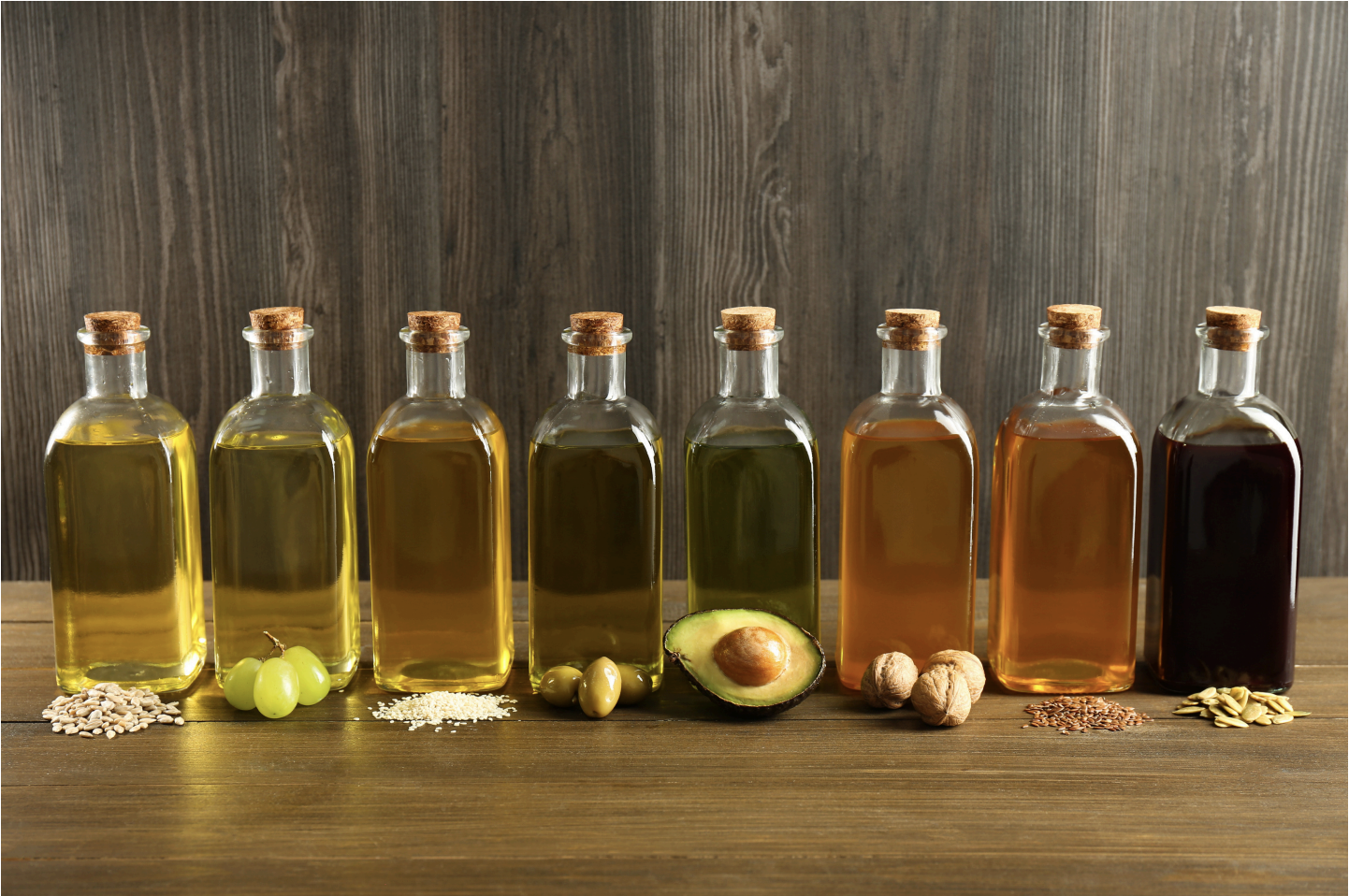
Information about dietary fat seems to cause the most confusion of all nutritional topics. If you survived the Nonfat Nineties, you may still be wary of full-fat dairy products or marbled meat. More recent reporting on the ills or virtues of dietary fat are no less confusing: many of us are still left to wonder what constitutes the “good” fat we’re encouraged to eat.
The biggest problem with most of the information we’re given is that most sources are making blanket statements about certain types of fats without making a few critical distinctions. Let’s debunk the falsehoods surrounding dietary fat, and simplify the choices we need to make to stay healthy.
- Dietary fat isn’t very important. In truth, we rely on fats for many physiological processes. Our brains are 60% fat. Fat absorbs our essential fat-soluble vitamins (K, A, D, and E). It’s the raw material for hormones. It makes up the plasma membrane – the outer wall of every cell in our bodies. And all this fat needs to come into our bodies from somewhere!
- Too much fat in the diet will lead to high cholesterol. Only a fraction of the fat – and particularly cholesterol – that we eat will end up in our systems. The rest comes from our intake of SUGAR. The liver is taxed with taking all of the extra calories that we get from sugar and simple carbohydrates and storing it for future use in the form of cholesterol – which is generally never called from storage unless we are starving.
- Fatty meat is bad for you. Yes and no. If we’re talking about the marbling in corn-fed beef, then yes. Corn feeding cattle increases the levels of Omega 6s (the undesirable fats) and decreases the Omega 3s (the healthy fats). Fat from grass-fed beef has more Omega 3 than 6, and fat in general makes a meal filling and less prone to spiking insulin.
If we are talking about fatty meats that have been processed into a product such as cold cuts, cooked sausages, and cured bacon, then yes – these foods have all been recognized as carcinogenic. They may be full of preservatives, sugar, white salt, and chemical flavorings. Stay away from this type of fatty protein at all costs.
- Seed oils are better for you than animal fats. Again, yes and no. Seeds themselves, sprinkled on food, are powerhouses of nutritious fats, protein, and fiber. The problem starts once seeds are processed into oils used for cooking; first, they lose some of their nutrients, especially if they are chemically extracted (sunflower, canola) rather than cold-pressed (ie extra virgin olive oil). Secondly, exposing these oils to heat for cooking turns them into a trans-fat – which we all know is harmful to your health. Sesame oil in particular releases carcinogenic compounds once heated; it should ONLY be used after cooking foods or on salads and dips. It’s best to use a more heat-stable fat such as clarified butter or avocado oil for cooking, or olive oil if you’re using low heat.
Also, once you break open many seeds, they become rancid – so perhaps rethink those pre-ground flax seeds in your smoothie. (Put whole flax in your blender and grind them yourself as needed.) Eat plenty of fresh, whole seeds in salads or sprinkled over a meal that’s already been cooked.
- Tallow and lard are unhealthy. This again depends on the source of the product. Bodily fat – whether in ours or in an animal’s – is a great place to store toxins. If an animal raised for food is fed chemicals, those toxins will end up in its fat, making the resulting tallow or lard product harmful if eaten. But if these products come from properly raised animals, and not heated past their smoke points, they provide rich sources of vitamins and Omega 3s.
- Eating fat will make you fat. This is the holdover misinformation from the 1990s, but it does persist. In addition to the benefits of the good fats from grassfed beef, free-range chicken and pastured butter that we’ve already discussed, you will likely eat less food at each meal if you include some good fat. If you’re worried about weight gain, your energy would be better spent investigating the effects of sugar and processed carbohydrates on your waistline.
- Fish oil supplements are the best sources of fats. Again, consider the source. Call your supplement manufacturer and ask them if their oils are encapsulated where they catch the fish. The moment fish oil is extracted, it oxidizes and loses nutrients (much like our poor flax seeds from point #4 above).
That said, the Omega 3 oils and protein in fish is unrivaled. Studies have shown that the foremost determining factor whether someone avoids cardiovascular disease is whether or not they eat 3 servings of fish per week. Just don’t forget that environment counts for fish as it does for beef or pork; the healthiest sources of oil come from wild-caught, low-mercury fish.
If you’d like to take a deeper dive into the importance of healthy fats in our diet, pick up a copy of Mary Enig’s Know Your Fats: The Complete Primer for Understanding the Nutrition of Fats, Oils, and Cholesterol or Gary Taubes’ Good Calories, Bad Calories: Fats, Carbs, and the Controversial Science of Diet and Health. Enjoy!
This article was written by a human.
Related
Leave a Reply Cancel reply
Explore
01. Services
02. Resources
03. Blog
04. About
05. Contact
06. Patient Portal
07. Schedule
Sharone Franzen is a licensed acupuncturist and herbalist at Blue Willow Acupuncture, based in the Lakeside Village/West Portal neighborhood of San Francisco, California.
Contact
2636 Ocean Ave
San Francisco, CA 94132
(415) 572-1797
For appointments:
(415) 812-9860
© Blue Willow Acupuncture. All rights reserved.
